
What Is Internal Medicine?
- Posted on October 13, 2025
- Health
- By Excel Magazine Team
- 932 Views
Internal Medicine is a medical specialty focused on the prevention, diagnosis, and treatment of diseases affecting adults—particularly those that do not require surgical intervention. Specialists in this field manage complex conditions involving vital organs such as the heart, lungs, kidneys, and digestive system, as well as chronic illnesses like diabetes, hypertension, and autoimmune disorders.
In Zambia, becoming an Internal Medicine specialist requires at least four years of postgraduate training. These experts often serve as coordinators in multidisciplinary patient care and can further sub-specialize in areas like Cardiology, Gastroenterology, Haematology, Dermatology, and Rheumatology.
The article also highlights stroke, one of the key conditions managed in Internal Medicine. A stroke occurs when blood supply to the brain is disrupted—either due to bleeding or a blockage—leading to loss of function, speech, or consciousness. High blood pressure, diabetes, and certain blood vessel diseases are among the major risk factors.
Stroke prevention hinges on regular medical check-ups, adherence to treatment, and maintaining a healthy lifestyle. In the event of a stroke, immediate medical attention within six hours is crucial to minimize brain damage.
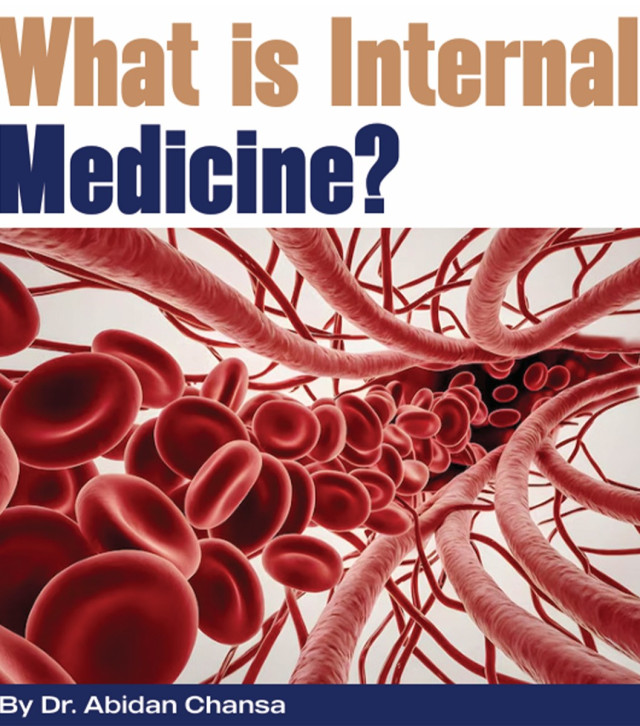
Internal Medicine is a medical specialty that doctors who specialise in it — deal with adult patients that have nonsurgical conditions that range from infectious diseases to chronic diseases like hypertension and diabetes.
Doctors who are specialists in Internal Medicine also deal in complex medical conditions such as diseases of the internal organs like the alimentary system, the heart, kidneys and lungs among others. Most skin conditions and other diseases known as autoimmune conditions are under the realm of internal medicine.
Internal medicine specialist can further super specialise into areas like Gastroenterology, Cardiology, Haematology, Dermatology, Respiratory and Rheumatology. Thus, internal medicine specialist are involved in the prevention, diagnosis and management of adult patients that present with infectious and chronic diseases that do not require surgical intervention. In certain times they act as the coordinating team between many specialties in the day-to-day care of patients.
In Zambia it takes a minimum of 4 years of specialist postgraduate training for someone to be conferred as a specialist in Internal Medicine. They deal with conditions such as HIV, Diabetes Mellitus, Anaemias, Tuberculosis, Stroke, Dementia, Heart Diseases among many others.
What is stroke?
A syndrome that results from the disturbance of blood supply to the brain or a portion of the brain. It can manifest as disturbance of speech, loss of function of the limbs, loss of consciousness, loss of sight or a combination of the above mentioned. All age groups can be affected by stroke but it usually affects older people.
What are the types of Stroke?
Haemorrhagic Stroke - is a stroke in which there is bleeding in the brain as a result of rupture of the blood vessel.
Infarctive Stroke – is a stroke caused by a blocked blood vessel.
Subarachnoid Haemorrhage – this is a stroke that is caused by bleeding in the brain.
Who is at risk of developing a stroke?
Anyone suffering from high blood pressure especially those who have uncontrolled BP due to a number of reasons, chief among them poor adherence to taking antihypertensive drugs.
Anyone with uncontrolled high blood sugar.
Patients with uncontrolled Sickle cell disease.
Patients that have malformations in the blood vessels especially malformations in the blood vessels of the brain.
Certain individuals with diseases of the blood vessels other than malformations.
Trauma to the brain.
Certain infectious diseases like HIV and Syphilis.
Autoimmune diseases. These are disease where there is inability by the body’s immune system to recognise its own body parts as belonging to the body. The immune system instead recognises these as foreign and attacks them.
How can stroke be prevented?
The first step is routine frequent scheduled medical check-ups by members of the public at recognised and registered health facilities where competent trained health professionals prescribe the tests to be done at the medical examination.
The second step is the general members of the public adopting healthy lifestyles that include healthy eating, regular physical activities, paying attention to mental health aspects and eating fortified non fast foods. For those that have diseases that predispose them to stroke, there is need for them to adhere to medical advice and be compliant to treatment prescribed by attending healthcare professionals.
What steps should be taken when one suffers a stroke?
Immediate action should be to rush the patient to the nearest hospital for immediate assessment and treatment. This is due to the fact that there is a window which normally is less than 6 hours in which interventions can be instituted to preserve the part of the brain that is under attack (loss of blood supply).
Adhere to the prescribed treatment by health Professions. These include medical or surgical interventions in addition to rehabilitation protocols instituted by the Physiotherapists. Continue scheduled regular clinical reviews at the health facilities.
What is the general outcome for stroke?
The mortality from stroke is quite high. The disability that follows survivors also varies with some attaining full recovery while the majority suffer some form of disability. Those that suffer disability are placed under rehabilitation services that are coordinated by the physiotherapy department.
ABOUT THE AUTHOR
Dr. Abidan Chansa is a practicing specialist medical doctor and a practicing Consultant of Internal Medicine. He is a graduate of the University of Zambia where he obtained both his undergraduate and postgraduate qualifications. He is a Fellow of the East, Central and Southern African College of Physician and also a Fellow of Palliative Medicine. He is currently serving as the Senior Lecturer of Internal Medicine in School of Medicine at the Copperbelt University. He is also ZESCO United Football Club team physician.